Gambling Commission Licence Fees Set for 25 Percent Rise from October 2026
 The Department for Culture, Media and Sport released its official response to the consultation that ran from January through March 2026 on how to fund the Gambling Commission, and that document outlines concrete adjustments to licence fees across most categories. Secondary legislation will implement a 25 percent increase on the majority of operating and personal licence fees beginning 1 October 2026, while society lottery fees remain unchanged and certain betting licence categories receive targeted modifications instead of the full uplift. Those who have tracked Gambling Commission funding know the regulator relies on fees paid by licence holders to cover day-to-day operations and the delivery of reforms outlined in the White Paper. The consultation invited operators and other stakeholders to comment on proposed fee structures, and the published government response confirms which elements moved forward largely as drafted and which areas saw refinements after feedback. Data from the Gambling Commission shows more than 2,500 operating licences and several thousand personal licences currently in force, meaning the fee changes will touch casino operators, betting shops, online platforms and remote gambling providers alike. The 25 percent rise applies uniformly to most operating licence fees and to personal management and functional licences, yet the government elected to freeze society lottery fees entirely and to introduce bespoke adjustments for a limited number of betting licence types where existing fee bands already reflected higher compliance costs. Preparations for the October 2026 implementation date are already visible in July 2026, with licensing teams at operators reviewing internal budgets and the Gambling Commission updating its fee calculator tools ahead of the formal changeover. Secondary legislation must still pass through the required parliamentary process, yet the government response states that the timetable remains on track for the 1 October start.
Consultation Process and Stakeholder Input
The January to March 2026 consultation period generated responses from a cross-section of the industry, including casino groups, online betting firms and representative bodies for lotteries. Government analysts reviewed submissions that addressed both the scale of the proposed increases and the timing of any changes, and the final response document records that most respondents accepted the principle of raising fees to maintain regulatory capacity while some sought mitigations for smaller operators or specific licence classes.
The published outcome keeps the headline 25 percent figure for the bulk of fees, yet it also records the decision to hold society lottery fees at current levels and to apply graduated adjustments rather than a straight 25 percent rise for certain remote betting and pool betting licences. Those adjustments appear in the annexes to the government response and reflect the different risk profiles and compliance histories associated with those licence types.Impact on Operators and Regulatory Delivery
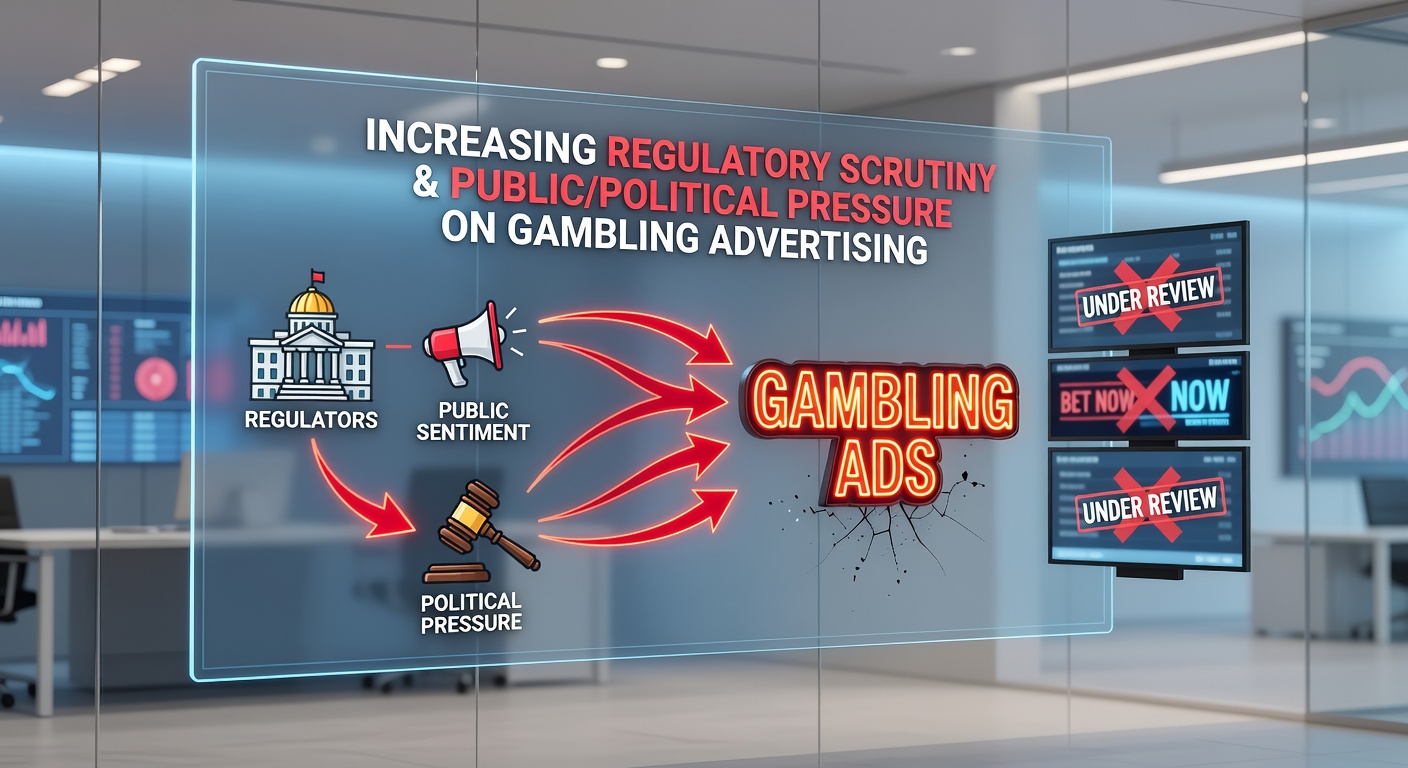 Operators holding multiple licence categories will experience the largest absolute increases because the new rates apply across each relevant licence. A typical casino operator with both a non-remote casino operating licence and several personal licences for key staff will see the combined annual fee bill rise by roughly one quarter once the October 2026 rates take effect. The Gambling Commission has indicated that invoices issued after 1 October will reflect the updated fee tables, and existing licence holders have received advance notice through the regulator’s licensing portal. Revenue from the higher fees will support the Gambling Commission’s expanded programme of work linked to the White Paper reforms, which include new player protection measures, updated advertising standards and enhanced data collection on gambling behaviour. The government response explicitly ties the fee uplift to these deliverables and notes that without additional resources the regulator would face constraints in meeting statutory deadlines set out in the reforms.
Legislative Pathway and Timeline
Secondary legislation giving effect to the fee changes is expected to be laid before Parliament in the coming months, with the affirmative resolution procedure required for the most significant amendments to the fee regulations. Once approved, the revised fee schedule will be published on the Gambling Commission website and incorporated into all new and renewal applications processed from 1 October 2026 onward.
Those who monitor the secondary legislation timetable observe that the process usually takes between eight and twelve weeks once a draft instrument is published, which aligns with the October implementation window. The Department for Culture, Media and Sport has confirmed that no further public consultation on the final fee tables is planned, because the earlier exercise already captured industry views on the core proposals. The single external source for the full details remains the government response to the proposals for changes to Gambling Commission fees from 1 October 2026, which contains both the policy decisions and the revised fee tables themselves.Conclusion
The confirmed 25 percent fee increase, together with the selective freezes and adjustments for society lotteries and certain betting licences, sets the financial parameters under which the Gambling Commission will operate from October 2026. Licence holders now have a clear date by which to incorporate the new costs into their business planning, while the regulator gains the resources required to progress the White Paper programme on schedule. The outcome of the 2026 consultation therefore marks a defined step in the ongoing evolution of gambling regulation in Great Britain.