The Guardian's Bombshell: Illegal Casino Network Draws 2.3 Million UK Visitors Monthly, Bypassing Self-Exclusion Shields
The Guardian's Bombshell: Illegal Casino Network Draws 2.3 Million UK Visitors Monthly, Bypassing Self-Exclusion Shields

A Network in the Shadows Emerges
Investigators at The Guardian laid bare a sprawling operation of unlicensed online casinos on April 1, 2026; sites like MyStake, Velobet, and Goldenbet pull in crowds by dodging UK safeguards, while operators based in Curaçao rake in profits from players who'd otherwise be blocked. This Curaçao-registered entity, Santeda International, sits at the helm, connected through a web of Georgian businessmen including Tornike Tvauri, Alexander Makashvili, and Mikheil Merebashvili; software comes courtesy of Upgaming, fueling platforms that lure in self-excluded UK gamblers via GamStop loopholes.
What's striking here is the sheer volume: data from the probe shows these platforms snag 2.3 million monthly visits from UK IP addresses alone, a figure that underscores how aggressively they target British users despite operating outside the jurisdiction. And while regulators scramble, affiliates and AI-generated ads keep the traffic flowing unchecked.
Key Players and Their Connections
Santeda International, licensed under Curaçao's lax regime, manages over a dozen brands that mimic legitimate sites but skip essential player protections; Tornike Tvauri emerges as a central figure, with ties to multiple entities through shared addresses and payment processors, while Alexander Makashvili and Mikheil Merebashvili handle operations on the ground in Georgia. Upgaming supplies the backend tech, enabling seamless slots, tables, and live dealers that feel polished yet unregulated.
Observers note these links aren't hidden deep; public registries and business filings reveal overlapping directorships, and company records from Curaçao's land-based authority point to Santeda's rapid expansion since 2020. But here's the thing: Curaçao's framework, as outlined in reports from the Gaming Curaçao oversight body, emphasizes minimal compliance for offshore ops, allowing such networks to thrive while UK players bear the risks.
Tactics That Slip Past the Safeguards
These casinos thrive on deception and tech savvy; AI crafts tailored ads promising "no verification" thrills and fat bonuses, blasted across social media and search results to hook those searching for GamStop alternatives. Affiliates, often UK-based influencers, pocket commissions by steering traffic, creating a funnel that bypasses self-exclusion databases entirely since the sites hold no UK license.
Take the payment flows: players deposit via crypto or e-wallets that obscure origins, withdrawing winnings just as swiftly to keep engagement high; yet without mandatory checks, vulnerable users slip through, and GamStop's blocklist proves powerless against foreign domains. Figures reveal monthly UK traffic hitting that 2.3 million mark, with peaks during evenings when impulse bets spike.
The Human Toll: Financial Ruin and Tragedies
Behind the numbers lie stark realities; reports detail UK gamblers losing life savings on these platforms, with cases of debt piling up to hundreds of thousands, pushing some to desperation. Investigators uncovered links to suicides, where self-excluded individuals found ways back in, spiraling into addiction-fueled losses that ended in tragedy.
One case highlighted involved a player who'd signed up to GamStop after heavy debts, only to encounter MyStake ads promising "fresh starts"; within months, finances crumbled again, echoing patterns researchers have tracked in offshore gambling harms. Data indicates these sites contribute to broader spikes in problem gambling, as vulnerable groups like those in recovery face relentless targeting.
MPs Sound the Alarm, Demanding Swift Moves
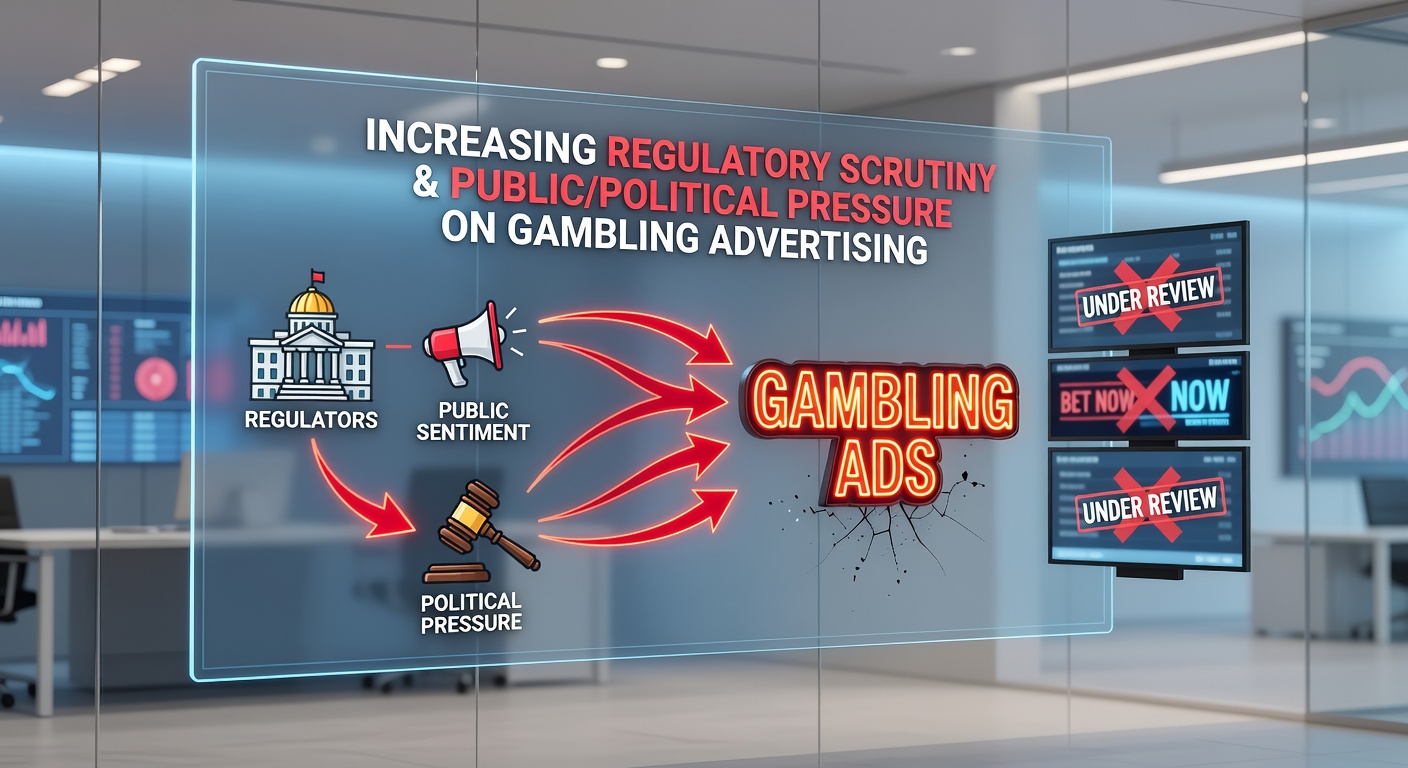
Alex Ballinger, a vocal MP on gambling reform, labeled the network a "clear and present danger," urging immediate blocks on payment processors and domain seizures; Iain Duncan Smith joined the chorus, calling out Curaçao's role in enabling such predation on UK citizens. Their statements, issued days after the April 1 publication, spotlight how self-exclusion fails without international cooperation.
Parliamentary pressure builds as figures like these push for tougher enforcement, pointing to the 2.3 million visitors as evidence that current measures fall short; Ballinger's office cited constituent stories of ruin, while Duncan Smith emphasized suicides tied to unlicensed play.
Regulatory Gears Shift Toward Takedowns
The UK Gambling Commission ramps up efforts with fresh funding allocations announced around the probe's release, prioritizing domain blocks and affiliate crackdowns on platforms like these; takedown operations target payment gateways first, aiming to starve the network of UK funds. Yet challenges persist, since Santeda's Curaçao base shields it from direct jurisdiction, and mirror sites pop up faster than blocks can land.
Experts who've monitored similar ops observe that while new resources help, cross-border pacts prove essential; parallels emerge from Australia's ACMA efforts, where offshore blocks reduced illegal traffic by 30% in recent years, offering a blueprint amid the 2026 push.
Broader Patterns in Offshore Gambling
This exposé fits into rising scrutiny of Curaçao-licensed sites, where Georgian clusters have ballooned player bases across Europe; Upgaming's role stands out, powering not just Santeda but rivals, with shared tech stacks that streamline evasion. And while AI content floods searches, affiliates adapt quickly, shifting to Telegram channels or VPN-friendly proxies when ads get flagged.
People who've dug into visitor logs find UK shares dominating at over 40%, a testament to targeted marketing that preys on GamStop frustrations; monthly 2.3 million hits translate to billions in wagers, underscoring the scale before regulators fully engage.
Conclusion
The Guardian's April 2026 investigation spotlights a persistent threat: illegal networks like Santeda's, fueled by Curaçao ops, Georgian management, and Upgaming tech, that draw massive UK traffic while inflicting real harm on self-excluded players. With 2.3 million monthly visitors, AI tricks, and affiliate armies evading GamStop, the financial wreckage and linked suicides demand action; MPs Ballinger and Duncan Smith amplify calls for blocks, as takedown funding mobilizes. Yet as mirrors multiply and borders blur, observers watch closely to see if enforcement catches pace, or if the shadows deepen further.